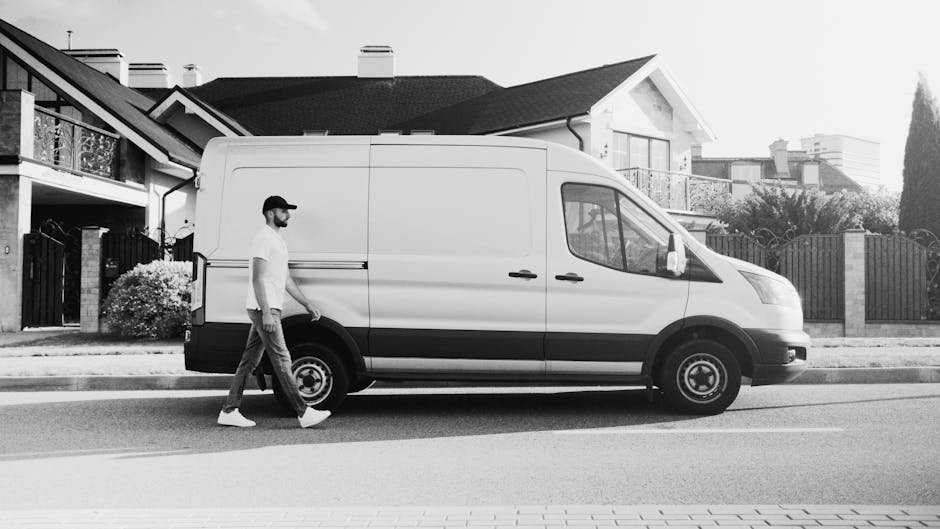
St Margarets man with a van tips for narrow access homes
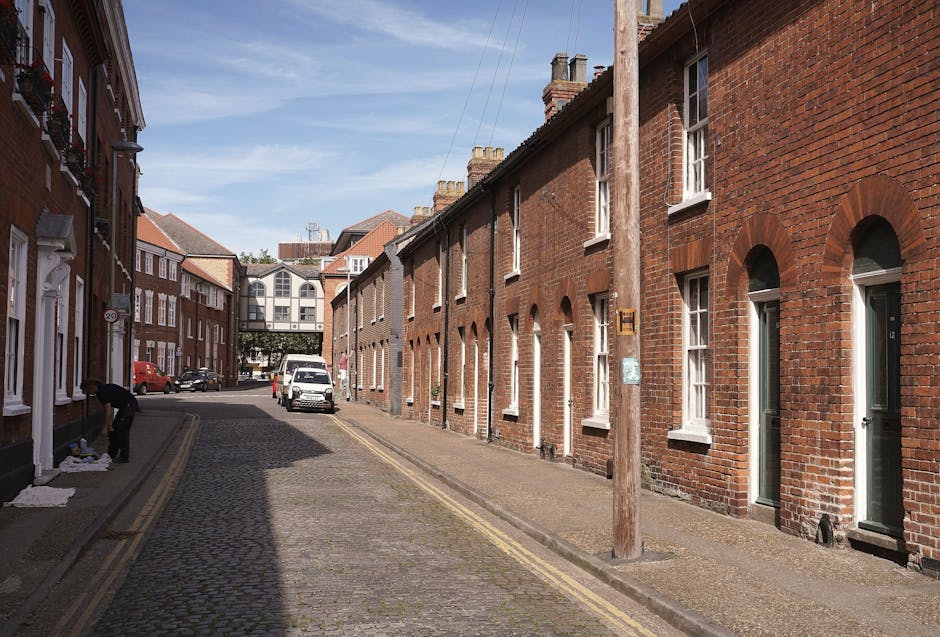
Moving house is stressful enough without wondering whether the van can actually get to your front door. If you live in one of St Margarets' narrow access homes, tight mews-style streets, awkward cul-de-sacs, or houses with a very unforgiving front path, the job needs a slightly different plan. That's where sensible St Margarets man with a van tips for narrow access homes really help. A good move is rarely about brute force. It's about timing, spacing, vehicle choice, and a bit of local common sense.
In this guide, we'll walk through the practical stuff that matters: how narrow access moves work, what to check before booking, how to avoid damage, what to tell your mover, and when to choose a smaller vehicle or even a different service entirely. If you're comparing options, it can also help to look at services like man with a van, removal van, or broader removal services depending on the size and awkwardness of the move. Let's face it, a little planning now can save a lot of back-and-forth later.
Why St Margarets man with a van tips for narrow access homes Matters
Narrow access changes almost everything about a move. A van that works perfectly on a normal street can become awkward the moment there's a low branch, a parked car outside the neighbour's gate, a sharp turn, or a hallway so tight you can barely swing a box through without catching the wall. In St Margarets, where a mix of older housing, side entrances, and busy local streets can create all sorts of pinch points, the margin for error gets smaller very quickly.
For the customer, the main issue is not just whether the vehicle can park nearby. It's whether the move can happen safely, without dragging items a long distance, blocking traffic, or damaging stair rails, doors, flooring, or the furniture itself. For the mover, narrow access means slower loading, more careful carrying, and sometimes a different approach altogether.
The good news? Most narrow access problems are manageable if they're identified early. A sensible mover will want to know about steps, alley width, parking restrictions, overhead obstructions, and whether bulky items like wardrobes or sofas need dismantling. That is normal. It is not fussiness. It's what keeps the move smooth.
Expert summary: For narrow access homes, the best move is the one that is planned around the property, not the other way around. Measure first, strip out avoidable risks, and choose a vehicle that fits the street as well as the load.
How St Margarets man with a van tips for narrow access homes Works
A narrow access move usually starts before anyone arrives with a van. First comes the assessment. That can be as simple as photos, a short call, or a walkthrough of the route from the kerb to the front door. The point is to understand where the bottlenecks are: the pavement, the gate, the hallway, the stairwell, the lift, or the final bend into the room.
From there, the mover decides what vehicle and team size are realistic. A smaller removal van may be better than a larger truck if parking is limited or the road is tight. Sometimes one strong, experienced porter is enough for a small flat. Sometimes two people are better, especially if there are stairs or fragile items. If the job is bigger, a service such as man and van can be a sensible middle ground between a full-scale removal crew and doing everything yourself.
Then comes the packing stage. Good packing matters more than people expect. Boxes need to be stackable, not overfilled, and easy to grip. Fragile items should be cushioned. Long items should be separated out so they are not awkwardly wedged into corners. In narrow homes, bad packing can create a domino effect: slower carry times, more trips, and a higher chance of scuffed paintwork.
On moving day, timing matters. Parking a van in the right place for even a short window can make the whole move feel easier. If access is very tight, you may need to hold a space, keep neighbours informed, or choose an early slot when traffic is lighter. One little detail can change everything. A van placed ten metres closer to the door can shave a surprising amount of effort off the day.
Key Benefits and Practical Advantages
When a narrow access move is handled properly, the benefits are not just about convenience. They show up in fewer delays, less damage, and a calmer day overall. That sounds obvious, but you really notice it when you've seen a move go wrong. A hallway scratch can be small; the stress around it rarely is.
- Less lifting distance: A suitable van and good parking plan reduce the number of heavy carries across pavements, steps, or shared entrances.
- Lower damage risk: With the right route and handling method, there's less chance of clipping walls, bannisters, or door frames.
- Faster loading and unloading: Even a narrow home can move efficiently if the access plan is clear from the start.
- Better choice of vehicle: Not every job needs a large truck. Picking the right size can make access much easier.
- Less stress for everyone: The customer knows what to expect, and the mover can work without guessing.
There's also a quieter benefit: better communication. Narrow access moves force everyone to be specific. Which door is used? Where can the van stop? Are there two sets of steps? Is the sofa actually going to fit through the landing turn? Those details help avoid the awkward "we'll just see on the day" approach. Truth be told, that phrase is a warning sign in moving.
For some households, the right answer is not just a van, but a broader plan that may include packing and boxes support or even packing and unpacking services if the access is tricky and time is tight.
Who This Is For and When It Makes Sense
This advice is especially useful if you live in a property where movement is constrained by layout rather than by distance. Think terraced houses with narrow frontage, maisonettes with tight stairwells, upper-floor flats, homes with shared entrances, or streets where parking can disappear in a blink. If the phrase "we might have to carry it round the corner" sounds familiar, this is for you.
It also makes sense if you're moving a smaller volume of goods and don't need a full removals team. For example, a student moving from a compact room, a tenant moving out of a flat, or a homeowner transporting a few bulky pieces may all benefit from a smaller, more flexible vehicle. That's where services like student removals or flat removals can be useful, depending on the circumstances.
You may also need this approach if you're moving a single item that's oddly shaped or heavy. A piano, for example, is a different beast altogether. The weight is one thing. The awkward angles are another. If that rings a bell, dedicated piano removals are usually safer than improvising.
Sometimes narrow access is only part of the problem. Limited storage, temporary renovation works, or a staggered move-out can create a messy overlap. In those situations, a short-term storage option can take pressure off the move and stop the home from feeling like a half-packed maze.
Step-by-Step Guidance
If you want a move to go smoothly, treat it like a sequence rather than a single event. Here's a practical way to handle it.
- Measure the access route. Check the width of gates, doorways, stairs, landings, and any tight corners. Take photos too. A tape measure is still annoyingly useful.
- Note the vehicle access. Can a van stop right outside? Is there resident-only parking, double yellow lines, or a narrow lane where a larger vehicle would struggle?
- List the awkward items. Sofas, wardrobes, beds, appliances, mirrors, and anything with a fragile finish should be flagged early.
- Decide what should be dismantled. If an item will clearly not fit through a tight turn, take it apart before moving day. Don't leave that as a surprise.
- Pack for easy handling. Use smaller boxes for heavy items, keep handles accessible, and label fragile loads clearly.
- Tell the mover everything. Mention steps, entry codes, lift size, road width, neighbours' parking habits, and any time restrictions.
- Prepare the property. Clear hallways, move loose rugs, protect floors if needed, and leave doors open where appropriate.
- Plan the unload order. Put the most needed items last or first depending on the access route and the room layout.
A small story, because this happens more often than people think: we once saw a move where the customer had packed beautifully, but the only route from the van to the flat involved a gate that opened inward. Nothing dramatic, just one tiny thing overlooked. Once we adjusted the order of loading and used the side entrance instead, the whole job became straightforward. Tiny detail. Big difference.
Expert Tips for Better Results
The best narrow access moves are won before the van arrives. Here are the habits that make the biggest difference in real life.
- Use smaller boxes for heavy items. A box full of books might be fine for a short lift, but on tight stairs it becomes awkward fast.
- Protect corners and edges. A simple blanket or wrap around furniture can stop accidental scuffs when turning tight corners.
- Keep one route clear. Don't have boxes stacked in the hallway if that hallway is already the narrow part of the job.
- Disassemble with purpose. Remove legs, shelves, and loose fittings when it genuinely helps access, not just because it feels thorough.
- Book enough time. Rushing is the enemy of a narrow access move. It really is.
- Match the van to the street. Bigger is not automatically better. In some St Margarets streets, a compact van is the smarter choice.
If you're unsure about the right service level, compare the move against your load size and access limits. A simple one-bedroom flat move might suit a removal van, while a mixed household move may need something closer to a full removals service. There's no prize for overcomplicating it.
And a slightly silly but true point: if your wardrobe needs three people, two straps, and a philosophical discussion to leave the room, it may be time to dismantle it.
Common Mistakes to Avoid
Narrow access mistakes tend to be predictable. The trouble is, they're predictable only after you've seen them once.
- Assuming the van will "just fit". Guessing is rarely a strategy.
- Not mentioning stairs or bends. A mover can work around many things, but only if they know about them in advance.
- Packing boxes too heavy. Heavy boxes slow everything down and are harder to carry safely on tight routes.
- Leaving parking to chance. In busy areas, that can turn into a long delay or an extra carry.
- Keeping furniture assembled when it clearly won't pass through. This one causes needless stress and sometimes damage.
- Booking the wrong type of service. A bargain quote for the wrong vehicle or team can end up costing more in time and hassle.
Another common one is underestimating the people factor. Narrow access moves often involve neighbours, passers-by, or shared corridors. Being courteous matters. A quick heads-up, a tidy loading process, and a calm manner can avoid friction. It sounds basic, but basic is good.
If you're also dealing with office stock, archive boxes, or business equipment, it may be worth looking at commercial moves or office removals instead of treating it like a standard domestic job.
Tools, Resources and Recommendations
You do not need a van-load of gadgets to make a narrow access move work, but a few simple tools help enormously.
- Tape measure: For doorways, stair widths, and furniture dimensions.
- Phone camera: Photos of the access route are often more useful than a vague description.
- Furniture blankets and wrap: Useful for protecting finishes in tight spaces.
- Basic screwdriver or Allen keys: Handy for quick dismantling.
- Labels and marker pens: Especially useful when items need to come off the van in a specific order.
- Gloves with grip: Not glamorous, but helpful. One of those things you only appreciate when carrying a fridge.
For many households, the simplest "resource" is a clear service conversation. Ask about the van size, the number of crew, loading time, stair carries, and whether access photos are enough for an initial quote. Pricing clarity matters too, so it is wise to review pricing and quotes before you commit. If you need reassurance around payment handling, payment and security is worth checking as well.
Some customers also like to read the company's approach to care and trust. Pages such as insurance and safety, health and safety policy, and about us can tell you a lot about how they work before anyone steps through the door. That sort of reassurance is not fluff; it's part of sensible decision-making.
Law, Compliance, Standards and Best Practice
For most domestic moves, the main compliance concerns are practical rather than legal. Still, they matter. In the UK, a mover should act with reasonable care, use suitable lifting and handling methods, and avoid unsafe loading. If a route is obstructed, blocked, or unsafe, it should be treated as such rather than pushed through without thought.
Good practice in narrow access homes generally includes:
- checking access conditions in advance;
- using a vehicle appropriate to the street and load;
- protecting walls, floors, and door frames where needed;
- handling items with care and the right number of people;
- being honest about limits if something cannot be moved safely as planned.
Insurance is another sensible consideration. You do not need to become a legal expert, but you do want to know whether the mover has suitable cover and clear terms. That is especially relevant where a cramped staircase, low ceiling, or awkward turn creates a higher risk of accidental damage. If you ever feel a mover is brushing past these concerns, pause. A careful answer is more valuable than a quick one.
Some homeowners also have accessibility needs of their own, or limited mobility in the household. In those situations, planning should be even more careful. Clear routes, unhurried lifting, and plain communication are not optional extras. They're part of respectful service.
Options, Methods and Comparison
Not every move with difficult access needs the same solution. Here's a simple comparison to help you think it through.
| Option | Best for | Strengths | Watch-outs |
|---|---|---|---|
| Small man with a van | One-off loads, compact flats, very tight streets | Flexible, easier parking, often quicker in narrow roads | Limited capacity for large household moves |
| Removal van | Medium loads where access is awkward but manageable | Good balance of space and manoeuvrability | Still needs careful packing and route planning |
| Full removals service | Whole-house moves, larger furniture, multiple rooms | More hands, more support, better for complex moves | May be too large for the tightest access points |
| Storage plus staged move | When access and timing are both difficult | Reduces pressure on the moving day | Requires extra coordination and planning |
If you're deciding between options, think about three things: volume, access, and urgency. A quick local move with a few boxes and a sofa might fit neatly into a smaller service. A full family move with awkward stairwells and no parking outside may need something more organised. If time is a problem as well, same day removals can help in specific situations, though only if the access and load are realistic for a fast turnaround.
Case Study or Real-World Example
Here's a typical St Margarets scenario. A couple is moving from an upper-floor flat on a quiet residential road. The hallway is narrow, the stairwell turns sharply halfway up, and parking outside is limited by neighbouring cars. They have a sofa, a bed, six medium boxes, a dining table, and a tall bookcase that looked slimmer online than in real life. Funny how that happens.
Instead of booking a larger vehicle and hoping for the best, they measure the route, send photos, and flag the bookcase as the main issue. The mover recommends a smaller van, two people for lifting, and dismantling the bookcase before arrival. The customer also moves the lighter boxes to the landing first so the doorway stays clear. On the day, the van parks as close as possible, the sofa is wrapped, and the awkward bookcase is carried in parts. There's still a bit of manoeuvring, of course, but no drama. No scraped wall, no panicked shuffling, no one saying "it should be fine" with that worried look.
The real lesson here is simple: the move became easier because the access problem was treated as the centre of the plan. Not an afterthought. That's what works.
Practical Checklist
Use this quick checklist the week before moving day. It's the sort of thing that saves you at 7:30 in the morning when your brain is already half-packed.
- Measure doorways, stairs, landings, and any tight corners.
- Take clear photos of the access route.
- Check parking, loading restrictions, and road width.
- Tell the mover about steps, gates, lifts, and entry codes.
- Identify furniture that may need dismantling.
- Pack heavy items into smaller boxes.
- Leave hallways and entrances clear.
- Protect floors or corners if the property needs it.
- Confirm arrival time and contact details.
- Have a plan for storage or a second trip if needed.
One more thing: keep a small essentials bag with keys, chargers, water, paperwork, and a snack. Sounds obvious. Yet somehow it always gets buried under a box labelled "misc".
Get a free quote today and see how much you can save.
Conclusion
St Margarets narrow access moves do not need to be chaotic. They just need better planning than a straightforward kerbside job. When you measure properly, choose the right vehicle, pack in a sensible way, and tell the mover the awkward bits up front, the whole experience gets calmer and safer. That is the heart of good St Margarets man with a van tips for narrow access homes: respect the space, respect the load, and don't leave important details to chance.
If your home has tight access, you are not being difficult by asking for care. You are being practical. And practical usually wins. A steady approach, a clear plan, and the right help can turn a stressful move into something quietly manageable. Not glamorous, perhaps. But very satisfying.
For next steps, it's worth exploring the service pages most aligned with your move, from man with van and man with a van to broader home moves support, depending on what you're shifting and how tight the access really is. A calm move is a good move.
Frequently Asked Questions
What is the best van size for a narrow access home in St Margarets?
The best size is usually the smallest van that can still carry the load safely. In narrow streets or tight drives, a compact removal van often works better than a larger vehicle because it is easier to park and manoeuvre.
How do I know if my furniture will fit through a narrow hallway?
Measure the widest part of the item and compare it with the narrowest point on the route, including turns and stair landings. If in doubt, send photos and measurements to the mover before moving day.
Should I dismantle furniture before a move?
Usually, yes, if it clearly helps the item pass through tight access or reduces the risk of damage. Beds, shelving, and large tables are common examples. Keep the screws and fixings in labelled bags.
What if parking outside my home is impossible?
That can still be workable, but it may mean a longer carry from the nearest safe stopping point. Tell the mover early so they can decide whether extra time, a smaller vehicle, or a different loading plan is needed.
Can a man with a van help with upstairs flats?
Yes, absolutely. Upstairs flats are one of the most common reasons people use a man with a van service. The key is making sure the mover knows about stairs, landings, and any awkward turns in advance.
Is a larger removals team always better for narrow access?
Not always. More people can help, but a larger vehicle can be harder to place in a tight street. The best option depends on the property, the road, and the amount of furniture.
What should I tell the mover before booking?
Give them the full picture: door and stair measurements, parking constraints, access codes, steps, lifts, and any awkward items. Photos are very helpful. The more honest the brief, the better the result.
Can storage help with a difficult narrow access move?
Yes. If you cannot move everything in one visit, or if access is complicated by refurbishment or timing, short-term storage can make the process much easier.
How do I protect walls and floors during a tight move?
Clear the route, use furniture blankets or protective wrap, and make sure the mover has enough space to turn items carefully. If the property is especially tight, temporary floor protection may be worth considering.
Are narrow access moves more expensive?
They can be, depending on the extra time, labour, parking difficulty, and whether items need dismantling or special handling. The fairest way to judge cost is to compare quotes based on the actual access conditions, not just the item list.
What is the biggest mistake people make with narrow access homes?
The biggest mistake is assuming the access issue will sort itself out on the day. It usually doesn't. A short conversation, a few measurements, and some photos can prevent most of the stress.
Do I need a full house removals service for a small flat?
Not necessarily. For a small flat with awkward access, a smaller setup may be more efficient. But if you have larger furniture, multiple flights of stairs, or a lot of items, a broader house removals service may be the safer choice.