King Street Twickenham office removals for local businesses
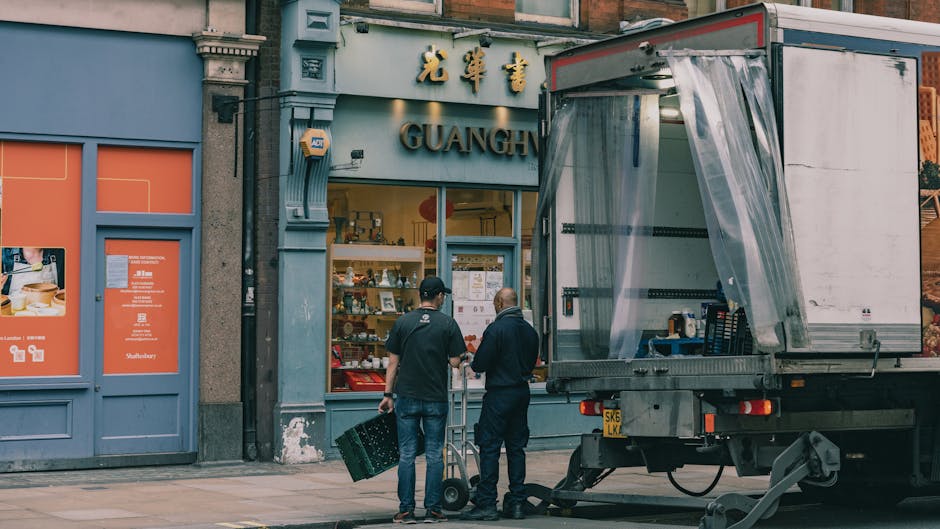
If you run a business on or near King Street, Twickenham, moving office is rarely just a change of address. It can mean protecting client records, keeping staff productive, avoiding disruption to trading, and somehow getting desks, IT, and boxes from one place to another without the week turning into chaos. That is exactly where King Street Twickenham office removals for local businesses become valuable: the move is handled in a way that fits real working hours, tight streets, and the practical realities of local commerce.
This guide breaks down what the process looks like, how to plan it properly, the risks people overlook, and the small decisions that make a big difference. If you are comparing options, trying to keep costs sensible, or simply want a move that does not eat your entire month, you are in the right place.
Expert summary: A well-run office move in Twickenham is not only about transport. It is about planning, sequencing, protection, access, and making sure your business can get back to normal quickly. The smoother the preparation, the less you notice the move later. That is the goal, really.
Why King Street Twickenham office removals for local businesses Matters
King Street is not a sleepy industrial estate with endless loading bays. It is part of a busy local environment where timing, access, and neighbour awareness matter. For local businesses, that means an office removal has to be handled with care. A late arrival, awkward parking situation, or poorly packed IT kit can affect more than the moving day itself; it can slow down the next several days too.
There is also the human side. Staff need clarity. Customers need reassurance. And if you are trying to keep operations going while moving, every hour counts. To be fair, the worst office moves are rarely dramatic disasters. They are usually a string of little things: missing labels, a forgotten cable box, a desk that will not fit through the door, a printer that somehow got packed with no plan at all. Tiny issues. Big annoyance.
Local businesses in Twickenham often need a move that fits around the working day rather than replacing it. That is why a local office removals plan matters so much. It can help you preserve client service, reduce downtime, and keep the move feeling organised instead of improvised.
When handled well, office removals support continuity. You keep trading, or nearly keep trading, and staff come back to a workspace that feels ready rather than half-built. That difference is huge.
How King Street Twickenham office removals for local businesses Works
Every office move is different, but the process usually follows a clear pattern. Good removal teams will start with a survey or detailed discussion about the space, access points, furniture, technology, special items, and timing. From there, the move is planned in phases so the building can be cleared in an orderly way.
In practical terms, an office move might include:
- an inventory of desks, chairs, filing cabinets, storage units, and IT equipment
- packing support for files, documents, and breakable items
- safe disconnecting and reconnection planning for computers, monitors, phones, and peripherals
- protection for floors, walls, and lift areas where needed
- careful loading, transport, and unloading at the new premises
- placement of furniture and equipment according to the new floor plan
For a small office, this may be a same-day job with a compact crew. For a larger local business, it may be staged over several days, especially if the team is moving departments separately. The best approach depends on how much you need to keep operating during the move. Not every business can shut down for a clean break, and most do not want to.
It is often helpful to think of an office removal as a sequence rather than a single event. First, planning. Then packing. Then moving. Then reassembly. Finally, settling in. If any one of those phases is rushed, the whole thing feels heavier than it should.
Key Benefits and Practical Advantages
There are obvious benefits to using a professional office removals service, but the real value often sits in the quieter details. Here are the advantages local businesses usually notice most.
- Less downtime: A structured move means your team spends less time waiting around and more time getting back to work.
- Better asset protection: Office furniture, computers, screens, and documents are handled with more care than in a rushed DIY move.
- More predictable timing: Local removals teams know how to work around access issues, parking restrictions, and tight schedules.
- Reduced staff stress: Your employees can focus on their jobs instead of becoming temporary movers. Nobody really wants that role, let's face it.
- Cleaner setup at the new site: When items are labelled and placed correctly, the new office becomes usable much faster.
- Fewer hidden costs: Good planning often prevents the kind of last-minute problems that lead to extra labour or damaged equipment.
Another advantage is confidence. Once you know the move is being handled by people who understand office logistics, you can focus on clients, invoices, and reopening rather than chasing boxes. That peace of mind is worth a lot on a hectic week.
If you want a broader overview of business relocation planning, the commercial moves page is useful for understanding how office and business relocations are approached more generally.
Who This Is For and When It Makes Sense
King Street Twickenham office removals for local businesses make sense for a wide range of organisations, not just large companies. In our experience, the need often comes from practical changes rather than dramatic expansion.
- Small professional firms moving from one rented office to another
- Retail back offices that need to relocate admin, storage, or management functions
- Start-ups upgrading from a home office or shared space into something bigger
- Established local businesses reshuffling premises because the current site no longer fits their needs
- Hybrid teams reducing office footprint and moving to a smaller, more efficient setup
- Landlords and property managers helping outgoing tenants clear a workspace on time
It also makes sense if you have items that need proper handling: filing systems, fragile screens, reception furniture, confidential paperwork, archive boxes, or heavier office pieces that are awkward to move safely. A pile of flat-pack desks sounds manageable until you are standing there at 7:30 in the morning with three doorways, one lift, and a chair that absolutely refuses to cooperate.
If your business cannot afford lost time, a professional office move is usually the safer route. If the move is tiny and very simple, a lighter service may be enough. The key is matching the method to the reality of the premises.
Step-by-Step Guidance
A successful office move is usually the result of good decisions made early. Here is a sensible way to approach it.
- Clarify the scope. List what is moving, what is staying, and what will be replaced rather than transported.
- Survey the route and access. Check entrances, corridors, stairs, lifts, parking, and any loading restrictions around King Street and the destination.
- Set a realistic timetable. Decide whether you are moving after hours, over a weekend, or in stages. Each option has a different impact on trading.
- Sort and reduce. Moving is the perfect time to clear old stationery, redundant furniture, duplicate files, and broken kit.
- Pack by department or function. Keep like with like. Finance boxes should not be mixed with marketing materials if you want an easy restart.
- Label everything clearly. Use room names, team names, and priority labels so items land where they should.
- Protect IT and data. Back up systems, photograph cable layouts if needed, and store chargers, adapters, and leads in clearly marked bags.
- Move the essentials first. Documents, laptops, and critical tools should be prioritised so the business can resume quickly.
- Check the new space before unloading. Make sure the destination is clean, accessible, and ready for furniture placement.
- Do a final walk-through. Confirm nothing has been left behind at the old site. It happens more often than people admit.
One small but useful habit: create a simple move map. It does not need to be fancy. Even a printed floor plan with arrows and room labels can save a surprising amount of confusion on the day.
Expert Tips for Better Results
These are the details that tend to separate a tolerable move from a genuinely smooth one.
Build the move around business hours, not just the van schedule
If your team opens at 9 a.m., think about what has to be ready by then. Sometimes it is better to move core items the night before and finish the rest early in the morning. Other times a Friday-to-Monday move works best. The right answer depends on your workflow, not the mover's convenience alone.
Keep IT handling very deliberate
Computers, routers, monitors, and printers are often the most time-sensitive items in an office relocation. A bad cable tangle can cost you hours. Honestly, it can cost more than that if a setup is complicated. Photograph the back of workstations, label cables, and keep one person responsible for tech oversight.
Use colour coding for departments
Blue for finance, green for operations, red for reception, and so on. Simple systems like this prevent a lot of cross-placement errors, especially when several people are unpacking at once and everyone thinks they know where things should go.
Protect documents properly
If files include client data, contracts, or sensitive material, use sealed boxes or locked containers where appropriate. You do not want files drifting into the wrong room. It sounds obvious, yet office moves have a way of making obvious things go missing.
Ask about dismantling and reassembly
Desks, shelving, conference tables, and modular storage may need to be taken apart before transport. Good planning includes who dismantles, who labels parts, and who reassembles them. That part matters more than most people expect.
Leave a buffer where possible
Things rarely go wrong in big dramatic ways. They go wrong in a small queue at the lift, or because one last desk took longer than expected. A little time buffer helps absorb those small delays without throwing the whole day off.
Common Mistakes to Avoid
Office moves go wrong for predictable reasons. The good news is that most of them are avoidable.
- Underestimating access issues: Tight streets, parking limitations, and restricted loading windows can slow everything down.
- Poor labelling: A box marked "misc" is not especially helpful when three teams are unpacking at once.
- Not backing up data: Hardware is replaceable; lost files are another story.
- Moving junk: Old storage, unused chairs, and obsolete equipment should be cleared rather than paid to move.
- Leaving staff out of the plan: If people do not know what to pack, when to pack it, or where it is going, confusion spreads fast.
- Ignoring the new layout: A poor floor plan leads to boxes being dumped in the wrong places and furniture being shuffled again later.
- Forgetting the first day back: You need basic operational items ready, not just a room full of cartons.
One of the biggest mistakes is treating the move as if it is separate from the business. It is not. The move is part of business continuity, which is a very different mindset. Once you see it that way, planning becomes easier.
Tools, Resources and Recommendations
You do not need a giant project management system to organise an office move, though some businesses like having one. A few sensible tools are usually enough.
- Inventory spreadsheet: Keep a live list of furniture, electronics, files, and special items.
- Floor plan: A simple printed layout helps teams know where everything goes.
- Label printer or sturdy labels: Good labels save endless time on moving day.
- Colour tape or stickers: Helpful for team-based sorting.
- Boxing supplies: Strong boxes, tape, protective wrap, and document cartons make packing more reliable.
- Backup plan for IT: Spare cables, memory sticks, power leads, and a list of critical login or setup dependencies.
If you need help with packing and unpacking, it can be worth looking at packing and unpacking services, especially if your team does not have time to do it all in-house.
For businesses that need furniture moved separately or want old items cleared before the main relocation, furniture pick up can also be a practical support option. And if your move needs a broader service package, office relocation services may be the better fit overall.
A small recommendation from experience: make one person the move lead. Too many cooks, as they say, and suddenly nobody knows who approved the printer cart or the missing monitor stand.
Law, Compliance, Standards, or Best Practice
Office removals are practical jobs, but they still sit inside a framework of care, responsibility, and good business practice. Depending on your setup, you may need to think about access arrangements, fire exits, manual handling, data protection, and basic workplace safety. Not every move is heavily regulated in the same way, but that does not mean standards do not matter.
For example, lifting heavy furniture safely is a manual handling issue. Managing confidential documents is a data handling issue. Using a clean and organised packing process is simply good business practice. If you are moving equipment that is fragile or expensive, insurance and risk awareness are part of the picture too.
In the UK, businesses are generally expected to take reasonable care of staff and property during a move. That might mean:
- not asking staff to carry items beyond what is safe or sensible
- keeping walkways clear during packing and loading
- ensuring boxes are not overfilled
- protecting confidential information from casual access
- checking that the movers have the right insurance and safety practices
It is also wise to review service terms, payment arrangements, and any site-specific requirements before move day. You can also review health and safety policy, insurance and safety, and terms and conditions if you want a clearer picture of how the service is structured.
If sustainability matters to your business, it may also be worth understanding how unwanted office furniture, packing materials, and surplus items are handled. The page on recycling and sustainability is useful for that kind of planning.
Options, Methods, or Comparison Table
There is no single right way to manage an office move. The best method depends on size, urgency, budget, and how much disruption you can tolerate. Here is a practical comparison.
| Approach | Best for | Advantages | Limitations |
|---|---|---|---|
| DIY office move | Very small teams with minimal furniture | Lower direct cost, simple for tiny relocations | Higher stress, more risk, more staff time lost |
| Basic man and van support | Light office loads or short local relocations | Flexible, often quick, suitable for a modest move | May not include packing, dismantling, or full planning |
| Full office removals service | Businesses with desks, IT, archives, and multiple staff | Less disruption, better coordination, more complete support | Usually costs more than a basic transport-only option |
| Staged commercial move | Teams that must keep working during relocation | Reduced downtime, easier transition, better continuity | Requires tighter planning and more coordination |
For some businesses, a simple transport solution may be enough. For others, the safer choice is a more complete removal service that includes packing and placement. If the office holds valuable equipment or a lot of paper records, the extra structure is usually worth it.
You can also compare broader moving options through services such as removal services or removal company when deciding how comprehensive you want the support to be.
Case Study or Real-World Example
Here is a realistic example from the kind of move local businesses often face.
A small consultancy near King Street needed to relocate to a slightly larger office space not far away. They had six staff members, a mixture of fixed desks and laptops, several filing cabinets, a reception area, and a few awkward pieces of furniture that had been collected over the years. Nothing huge. Nothing glamorous either.
The team thought the move would be simple at first. Boxes, van, done. But once they listed everything properly, they realised there were a few hidden headaches: printer placement, old archive files, a couple of wall units, and a small mountain of cables that no one wanted to sort on a Friday evening. You know the sort.
What made the move work was a clear sequence. The files were packed by team, the IT equipment was tagged, the reception furniture was moved last, and the new floor plan was shared in advance. The business had a one-page move sheet with room names and priorities, which sounds almost too basic, but it helped a lot. By Monday morning, the staff could log in, make tea, and start work without rummaging through mystery boxes.
The biggest lesson? They spent more time planning than moving. And that was the right call. The move felt calmer because the decision-making happened before the van arrived.
Practical Checklist
Use this checklist as a quick pre-move sanity check. It is not fancy, but it works.
- Confirm the moving date and access times
- Check parking, loading, and building entry arrangements
- Inventory furniture, IT equipment, and files
- Separate items to keep, move, recycle, or dispose of
- Label boxes by department, room, or priority
- Back up important digital data
- Photograph complex workstation setups before disconnecting
- Prepare packing materials in advance
- Tell staff what they are responsible for and by when
- Arrange reassembly or setup support for desks and equipment
- Prepare a first-day essentials box with chargers, keys, stationery, and vital documents
- Walk through both sites before and after the move
If you want the move to feel less rushed, start the checklist earlier than you think you need to. A good office move is often won days before the van turns up.
Conclusion
King Street Twickenham office removals for local businesses are about more than lifting furniture from one place to another. They are about continuity, planning, and protecting the rhythm of your working week. Whether you are moving a small back office, a growing team, or a more established business operation, the same principles apply: reduce disruption, label clearly, protect important assets, and keep the process simple enough for people to follow.
Done well, an office move can feel surprisingly calm. Not effortless, because let's be honest, moving never is. But calm enough. And that calm matters. It gives your team confidence and helps the business land on its feet in the new space.
If you are still comparing options, take a moment to think about what you need most: speed, structure, help with packing, or a full commercial relocation plan. That answer usually points you in the right direction. And once the move is mapped out properly, the whole thing becomes far less daunting.
Get a free quote today and see how much you can save.
Frequently Asked Questions
What is included in King Street Twickenham office removals for local businesses?
It usually includes planning, packing support, lifting, loading, transport, unloading, and placing items in the right rooms. Some moves also include dismantling and reassembly of furniture, plus help with office equipment and files.
How far in advance should I book an office move?
As early as you can. For a small local move, a short lead time may be possible, but booking earlier gives you more choice over dates and more time to prepare staff, access arrangements, and packing.
Can we keep working during the move?
Often, yes. Many businesses use staged moves or out-of-hours scheduling so the office stays functional. It depends on how much equipment needs to be moved and how quickly you need the new space ready.
Do office removals cover IT equipment?
They can, although it is wise to clarify the level of handling involved. Screens, towers, printers, and network kit need careful packing and clear labelling, especially if the business relies heavily on them.
Is a small office move worth using a professional service for?
Usually, yes, if time is tight or the office contains sensitive documents, expensive equipment, or furniture that is awkward to move. Even small offices can become complicated very quickly.
How do I reduce downtime during an office relocation?
Use a clear floor plan, label boxes by department, back up data, move essential items first, and choose a timing window that works with your business hours. The more prepared the team, the less downtime you tend to have.
What should staff pack themselves?
Normally, personal desk items, non-confidential supplies, and work-specific materials can be packed by the employee using a clear system. Sensitive records or shared equipment are better handled centrally.
What happens to old furniture or unwanted office items?
That depends on the service you choose and what has been arranged in advance. Some items may be reused, removed, or recycled. If sustainability matters, ask about responsible disposal before the move starts.
How do I know if a mover is suitable for a business relocation?
Look for experience with office and commercial moves, clear planning, sensible safety practices, and transparent terms. It also helps if they understand local access and timing issues around busy Twickenham streets.
Should I move files and sensitive documents myself?
If the documents are confidential or business-critical, many companies prefer to keep a named person responsible for them. That reduces the chance of misplacement and helps maintain control over access.
What is the most common mistake businesses make when moving offices?
Underplanning. Not just in the big sense, but in the small stuff too: cables, labels, access routes, desk placement, and first-day essentials. Those details seem minor right up until they slow everything down.
How can I make the new office ready faster?
Have a clear room-by-room layout, stage the essentials separately, and make sure furniture placement is decided before moving day. If people arrive to a blank room with no direction, unpacking becomes much slower than it needs to be.